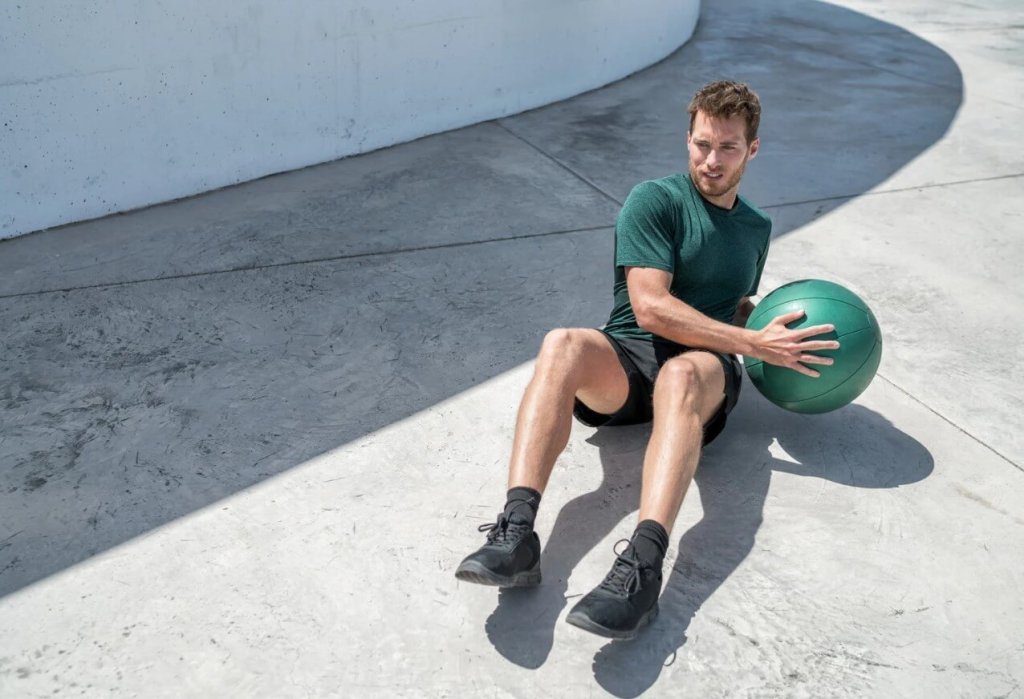
The Russian twist exercise is one of the most effective core workouts that targets the abdominal muscles, obliques, and lower back. Whether you’re an athlete, a fitness enthusiast, or someone just starting their fitness journey, incorporating the Russian twist into your routine can significantly improve your core strength, balance, and overall body stability.
What is the Russian Twist Exercise?
The Russian twist exercise involves sitting on the floor with your knees bent and your feet either flat or lifted slightly off the ground. You lean back at about a 45-degree angle and clasp your hands together or hold a weight like a medicine ball. Then, you twist your torso from side to side, touching the weight or your hands to the floor beside you on each side.
This rotational movement activates the obliques—the muscles along the sides of your abdomen—while also engaging the rectus abdominis, or “six-pack” muscles. The deeper core stabilizers, like the transverse abdominis, also fire up to keep you balanced throughout the movement.
Benefits of the Russian Twist Exercise
1. Core Strength and Definition
The Russian twist is a compound core movement that works multiple abdominal muscles at once. By doing this exercise regularly, you can improve core strength and get closer to that toned, defined midsection many strive for.
2. Improved Balance and Stability
This exercise requires you to stabilize your torso while twisting, which engages the muscles in your back, hips, and lower abdomen. This contributes to better balance and coordination in both athletic performance and daily activities.
3. Enhanced Athletic Performance
Movements that involve rotation—such as throwing a ball, swinging a bat, or even changing direction while running—rely on strong obliques. The Russian twist exercise helps build rotational strength and power, making it ideal for athletes in sports like tennis, baseball, and soccer.
4. Low Equipment Requirement
One of the greatest things about the Russian twist is its simplicity. You can do it with no equipment at all, or use household items like a water bottle or backpack for resistance. For added intensity, you can use a medicine ball, dumbbell, or kettlebell.
How to Do the Russian Twist Exercise Correctly
To get the most out of the Russian twist exercise and avoid injury, follow these steps:
1. Start Position
Sit on the floor with your knees bent and feet flat. Lean back slightly to engage your core and lift your feet off the floor if you’re comfortable doing so.
2. Hold a Weight (Optional)
If using a weight, hold it close to your chest with both hands. Otherwise, clasp your hands together.
3. Twist
Rotate your torso to the right and touch your hands or weight to the floor beside your hip. Then twist to the left. That’s one rep.
4. Maintain Form
Keep your core tight, spine straight, and chest lifted throughout the movement. Avoid rounding your back or letting your knees wobble.
5. Repetitions
Start with 2-3 sets of 10-15 reps per side and increase as you build strength.
Common Mistakes to Avoid
- Using Momentum Instead of Muscle: Focus on controlled movements rather than swinging your arms.
- Rounding the Back: This can lead to back pain. Always keep a neutral spine.
- Not Engaging the Core: Your abdominal muscles should be tight throughout the movement for maximum benefit.
Variations of the Russian Twist Exercise
To keep your workouts interesting and challenging, try these variations:
- Weighted Russian Twist: Use a medicine ball or dumbbell for added resistance.
- Feet-Elevated Twist: Lift your feet a few inches off the ground to engage the lower abs more.
- Decline Bench Twist: Perform the exercise on a decline bench for a greater range of motion and intensity.
Final Thoughts
The Russian twist exercise is a versatile, effective, and accessible workout that delivers serious results for your core. Whether you’re training for a sport or simply want to enhance your overall fitness, adding this move to your regular workout routine can help you build a stronger, more functional core.
Make sure to perform the Russian twist with proper form and gradually increase difficulty to avoid injury and ensure progress. Your core will thank you!

 Sydney Physio