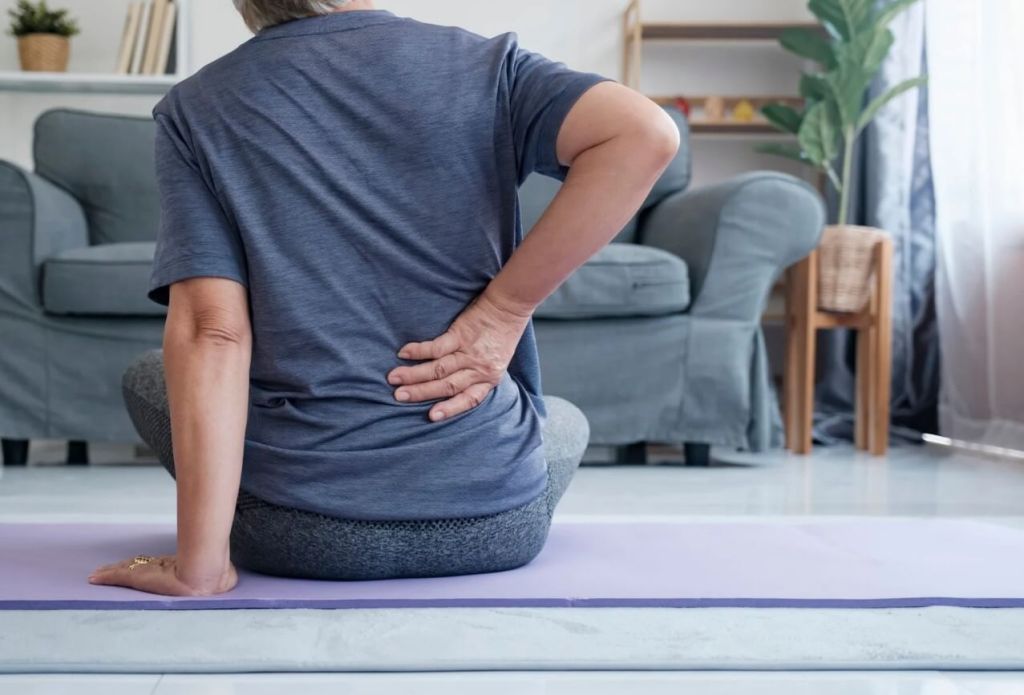
Lower back pain is one of the most common health issues that people face, affecting millions of individuals worldwide. Whether it’s a dull ache or sharp discomfort, lower back pain can impact your daily activities, productivity, and overall quality of life. Understanding its causes, treatment options, and how to prevent it can help manage this common condition effectively.
Common Causes of Lower Back Pain
Lower back pain can arise from a variety of causes, and pinpointing the source is the first step in finding relief. Some common causes include:
Muscle Strain
Overuse, heavy lifting, or sudden movements can cause muscles and ligaments in the lower back to stretch or tear, leading to pain and stiffness. This is one of the most common reasons for acute lower back pain.
Poor Posture
Slouching or sitting for prolonged periods, especially with improper posture, can put excessive pressure on the lower back. Over time, this can lead to chronic pain and discomfort.
Herniated or Bulging Discs
The spinal discs, which act as cushions between the vertebrae, can become damaged or displaced. When a disc bulges or ruptures (herniates), it can compress nerves, causing pain that may radiate down the legs (sciatica).
Arthritis
Conditions like osteoarthritis can cause degeneration of the spine, leading to inflammation, stiffness, and lower back pain. In some cases, arthritis can also lead to spinal stenosis, a narrowing of the space around the spinal cord.
Injuries or Accidents
Traumatic events such as falls, car accidents, or sports injuries can damage the muscles, ligaments, or spine, resulting in lower back pain that may require immediate medical attention.
Medical Conditions
Underlying health conditions such as osteoporosis, fibromyalgia, or infections can contribute to persistent lower back pain. In rare cases, tumors or kidney infections can also cause discomfort in the lower back region.
Treatment Options for Lower Back Pain
Fortunately, there are many ways to treat lower back pain, depending on its severity and underlying cause. Here are some common treatment options:
Rest and Ice/Heat Therapy
For acute lower back pain caused by muscle strain or injury, resting and applying ice or heat to the affected area can help reduce inflammation and relieve pain.
Physical Therapy
A physical therapist can design a customized exercise program that focuses on strengthening the core, improving flexibility, and correcting posture. Regular physical therapy sessions can significantly reduce chronic lower back pain.
Medications
Over-the-counter pain relievers like ibuprofen or acetaminophen can be effective in managing mild to moderate lower back pain. In more severe cases, doctors may prescribe muscle relaxants or stronger pain medications.
Chiropractic Care
Chiropractors use spinal manipulation techniques to realign the spine and improve mobility. Many people find relief from lower back pain through chiropractic adjustments, especially when combined with other therapies.
Massage Therapy
Massage can help relieve muscle tension and improve circulation in the lower back. Regular massages can be particularly helpful for individuals dealing with muscle-related lower back pain.
Surgery
In rare cases, surgery may be necessary, especially for severe conditions like herniated discs, spinal stenosis, or fractures. Surgical options are typically reserved for those who do not respond to conservative treatments.
Preventing Lower Back Pain
Prevention is key when it comes to managing lower back pain. Here are some tips to help you avoid pain and discomfort:
Maintain Proper Posture
Whether sitting or standing, keeping a neutral spine is essential. Avoid slouching and use ergonomic chairs and workspaces to support your lower back throughout the day.
Exercise Regularly
Strengthening the muscles in your core and lower back through exercises like yoga, pilates, or swimming can improve stability and prevent future injuries. Incorporate stretches to keep your back flexible.
Lift Properly
When lifting heavy objects, bend at your knees and hips, not at your waist. Use your legs to lift, keeping the object close to your body, to avoid straining your lower back.
Avoid Prolonged Sitting
If you have a desk job, take breaks to stand, stretch, and walk around every hour. Consider using a standing desk or adjustable chair to reduce strain on your lower back.
Stay at a Healthy Weight
Excess weight, especially around the abdomen, can put extra pressure on your lower back. Maintaining a healthy weight through proper diet and exercise can alleviate this stress.
When to Seek Medical Attention
While most lower back pain improves with self-care, there are times when you should seek medical attention. If your lower back pain is accompanied by any of the following symptoms, contact a healthcare provider:
- Pain that lasts longer than a few weeks
- Numbness or tingling in the legs
- Weakness in the lower body
- Difficulty standing or walking
- Severe or sudden pain following an injury
- Loss of bladder or bowel control
Conclusion
Lower back pain can be frustrating and debilitating, but with the right treatment and preventive measures, you can manage and even avoid it. Whether caused by poor posture, muscle strain, or an underlying condition, understanding the source of your pain and seeking appropriate care can help you live a pain-free life. Take proactive steps to strengthen your back, maintain good posture, and seek medical attention if needed to keep your lower back healthy and strong.

 Sydney Physio