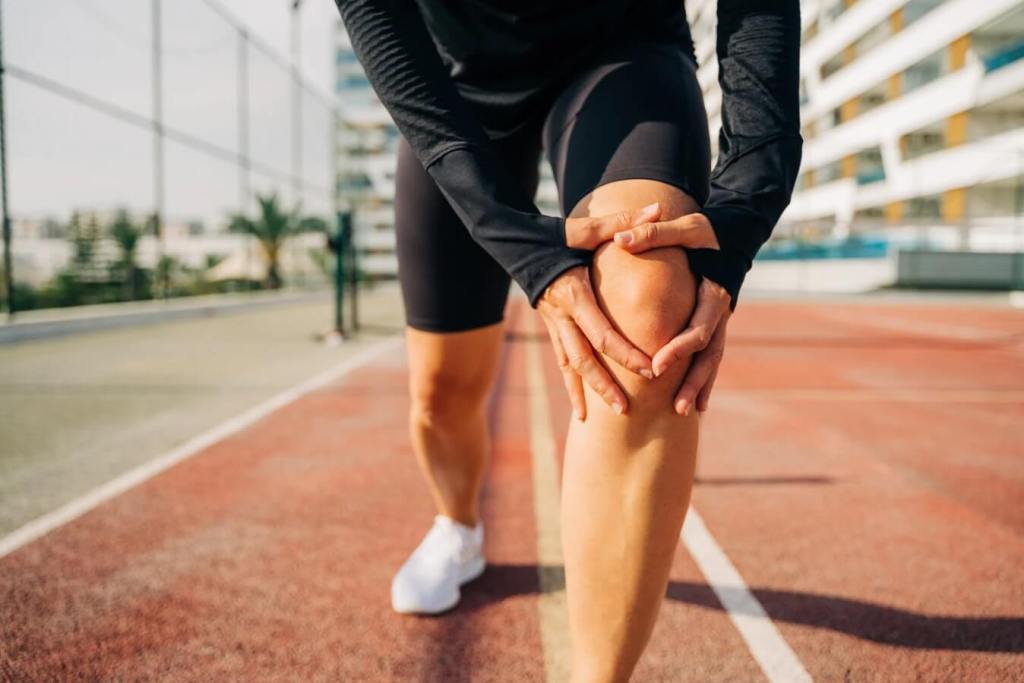
What is an MCL Injury?
The medial collateral ligament (MCL) is one of the key ligaments in your knee, providing stability and supporting side-to-side movement. An MCL injury occurs when this ligament is stretched, partially torn, or completely ruptured, often due to direct impact or sudden twisting of the knee. MCL injuries are common in athletes but can affect anyone, especially those involved in activities that put stress on the knee.
Causes of MCL Injuries
MCL injuries typically result from direct trauma or sudden movements that force the knee to bend inward unnaturally. Common causes include:
- Sports Injuries: Contact sports like football, soccer, and rugby are common culprits, where a blow to the outer knee can strain or tear the MCL.
- Falls and Accidents: Slipping or falling, especially on uneven surfaces, can lead to MCL injuries.
- Twisting Movements: Sudden changes in direction or twisting motions, often seen in sports like skiing or basketball, can put excessive stress on the MCL.
- Repetitive Stress: Overuse or repetitive movements that strain the knee can gradually weaken the MCL, making it more susceptible to injury.
Symptoms of an MCL Injury
The symptoms of an MCL injury can vary depending on the severity of the damage. Common signs include:
- Pain: Pain along the inner side of the knee is the most immediate symptom, which can range from mild discomfort to severe pain depending on the injury’s extent.
- Swelling: Swelling around the knee joint often occurs within hours of the injury.
- Instability: A feeling of the knee giving way or buckling, especially during movement, is a sign of an MCL injury.
- Stiffness: Difficulty bending or straightening the knee is common after an MCL injury.
- Bruising: Bruising along the inner knee may develop in more severe cases.
If you experience any of these symptoms, especially after an injury, it’s crucial to seek medical attention for an accurate diagnosis and appropriate treatment.
Diagnosis of MCL Injuries
Diagnosing an MCL injury typically involves a physical examination where a healthcare provider will assess the stability and range of motion in your knee. Imaging tests such as X-rays or MRI scans may also be used to confirm the extent of the injury and rule out other knee injuries.
Treatment Options for MCL Injuries
The treatment for an MCL injury depends on its severity, ranging from conservative management to surgical intervention.
1. Rest and Immobilization
For mild MCL injuries, rest and immobilization are often the first line of treatment. This may involve:
- Resting: Avoiding activities that put stress on the knee.
- Ice: Applying ice to reduce swelling and pain.
- Compression: Using a knee brace or bandage to provide support.
- Elevation: Keeping the knee elevated to minimize swelling.
2. Physical Therapy
Physical therapy plays a critical role in recovering from an MCL injury. A physical therapist will guide you through exercises to restore strength, flexibility, and range of motion in your knee. Therapy also helps in preventing future injuries by improving knee stability.
3. Medications
Over-the-counter pain relievers, such as ibuprofen or acetaminophen, can help manage pain and reduce inflammation. In some cases, your doctor may prescribe stronger medications if the pain is severe.
4. Surgery
Surgical intervention is typically reserved for severe MCL injuries, such as complete tears or when the injury is associated with other ligament damage (like an ACL tear). Surgery involves repairing or reconstructing the damaged ligament, followed by an extensive rehabilitation program to restore full function.
Recovery and Prevention
The recovery time for an MCL injury varies based on its severity. Mild sprains may heal within a few weeks, while severe injuries requiring surgery can take several months to recover fully. Adhering to your rehabilitation program and following your healthcare provider’s advice is crucial for a successful recovery.
Prevention Tips
- Strengthen Muscles: Regular exercises to strengthen the muscles around the knee can enhance stability and reduce the risk of injury.
- Use Proper Techniques: Whether in sports or daily activities, using correct techniques can prevent undue stress on your knees.
- Wear Protective Gear: In sports, wearing appropriate knee braces or pads can provide additional support and protection.
When to Seek Professional Help
If you suspect an MCL injury, it’s important to seek professional medical evaluation as soon as possible. Early diagnosis and treatment can significantly impact your recovery and prevent long-term complications.

 Sydney Physio