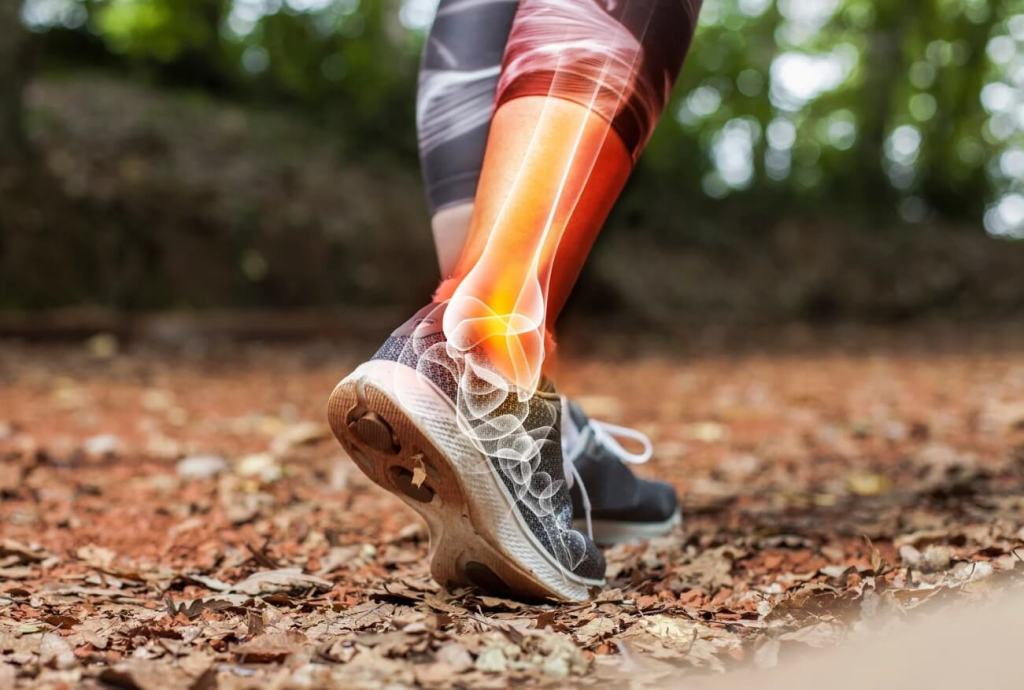
Sports injuries are an unfortunate but inevitable aspect of athletic life. Whether you’re a seasoned athlete or a weekend warrior, encountering acute injuries during sports activities is a risk that comes with the territory. However, knowing how to recognize, manage, and recover from acute sports injuries can make all the difference in your journey back to peak performance. In this guide, we’ll explore everything you need to know about acute sports injuries – from prevention strategies to effective treatment techniques.
Understanding Acute Sports Injuries:
Acute sports injuries occur suddenly during physical activity and typically involve trauma to muscles, tendons, ligaments, or bones. Common examples include sprains, strains, fractures, dislocations, and contusions. These injuries can result from sudden impacts, falls, overuse, or improper technique.
Recognizing the Signs and Symptoms:
Recognizing the signs and symptoms of acute sports injuries is crucial for prompt and appropriate treatment. Look out for the following red flags:
- Sudden pain or discomfort
- Swelling, bruising, or discoloration
- Limited range of motion
- Inability to bear weight or use the affected limb
- Popping or snapping sensations
- Visible deformity or misalignment of joints
- Immediate First Aid:
When faced with an acute sports injury, it’s essential to administer appropriate first aid to minimize further damage and promote healing. Remember the acronym R.I.C.E.:
- Rest: Immediately stop the activity and rest the injured area to prevent exacerbating the injury.
- Ice: Apply ice packs or cold compresses to the injured area to reduce swelling and alleviate pain. Be sure to wrap the ice pack in a cloth to prevent frostbite.
- Compression: Use compression bandages or wraps to provide support and reduce swelling. Ensure that the compression is firm but not too tight.
- Elevation: Elevate the injured limb above the level of the heart to reduce swelling and promote drainage of excess fluid.
Seeking Professional Treatment:
While first aid measures can provide initial relief, it’s crucial to seek professional medical evaluation and treatment for acute sports injuries. Depending on the severity and nature of the injury, treatment options may include:
- Physical therapy exercises to restore strength, flexibility, and range of motion.
- Bracing or splinting to stabilize the injured area and facilitate healing.
- Medications such as pain relievers or anti-inflammatories to manage pain and inflammation.
- Immobilization with casts or slings for fractures or severe sprains.
- Surgical intervention for complex or severe injuries requiring repair or reconstruction.
Recovery and Rehabilitation:
Recovery from acute sports injuries requires patience, dedication, and adherence to a structured rehabilitation program. Work closely with healthcare professionals, such as physical therapists or sports medicine specialists, to develop a personalized rehabilitation plan tailored to your specific injury and goals. Focus on gradually restoring function, strength, and mobility while gradually returning to sports activities.
Prevention Strategies:
While it’s impossible to eliminate the risk of acute sports injuries entirely, there are several proactive measures you can take to reduce your risk:
- Warm-up thoroughly before physical activity to prepare your muscles, tendons, and ligaments for exertion.
- Use proper technique and form during sports activities to minimize the risk of overuse or trauma.
- Wear appropriate protective gear, such as helmets, pads, or braces, to safeguard against injuries.
- Listen to your body and avoid pushing through pain or fatigue – know when to rest and recover.
- Incorporate cross-training and strength training exercises into your fitness routine to build resilience and reduce injury risk.
Acute sports injuries are an unfortunate reality for athletes of all levels, but with the right knowledge and approach, you can effectively manage them and return to your favorite activities stronger than ever. By understanding the signs and symptoms, administering immediate first aid, seeking professional treatment, and committing to a comprehensive rehabilitation program, you can navigate the road to recovery with confidence. Remember, prevention is key – prioritize proper warm-up, technique, protective gear, and listening to your body to minimize the risk of future injuries. Here’s to staying safe, healthy, and active in your athletic pursuits!

 Sydney Physio